Hire 2D artists


Our 2D Art Services
2D Art Outsourcing Services
Scaling Your In-House Team





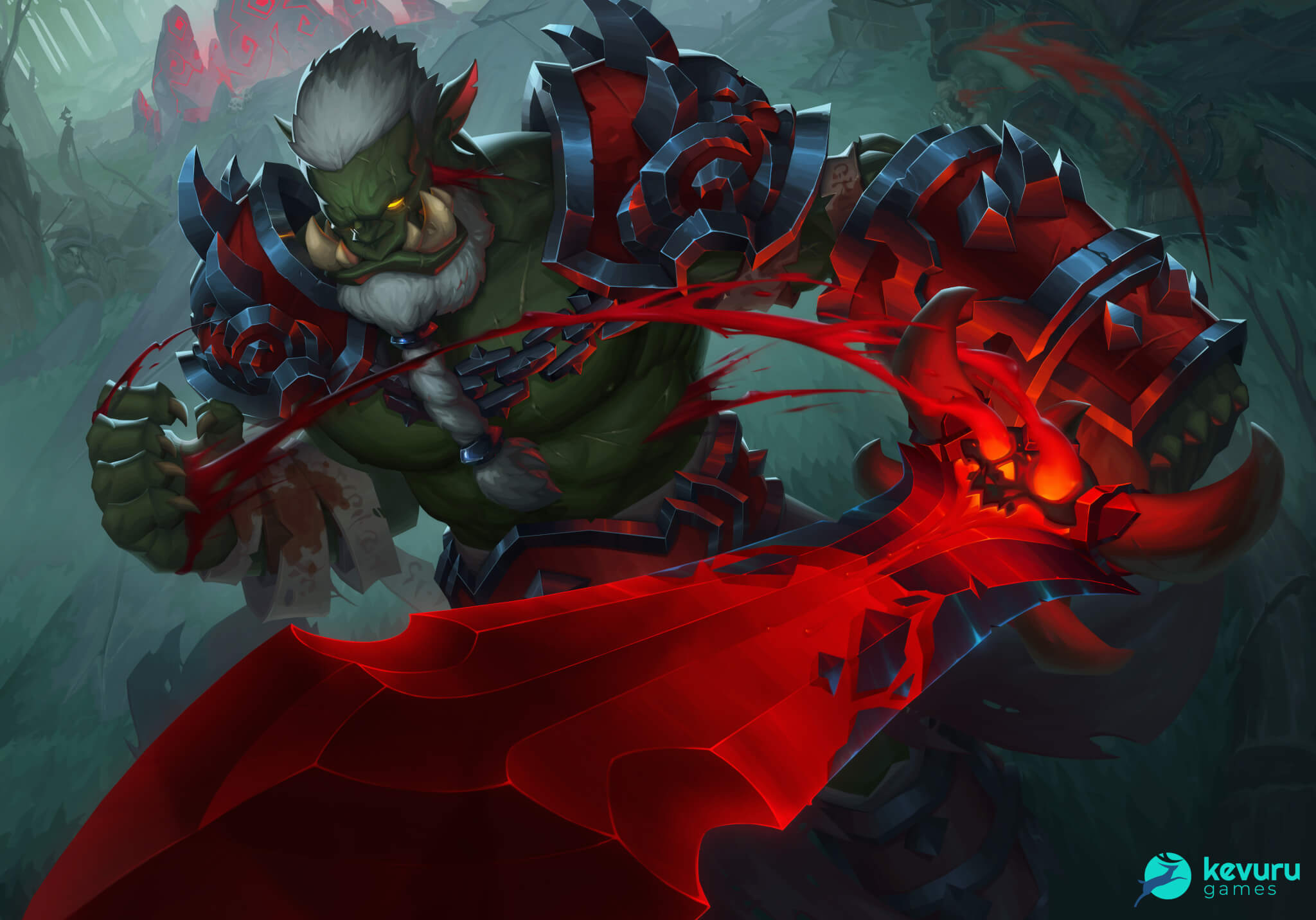
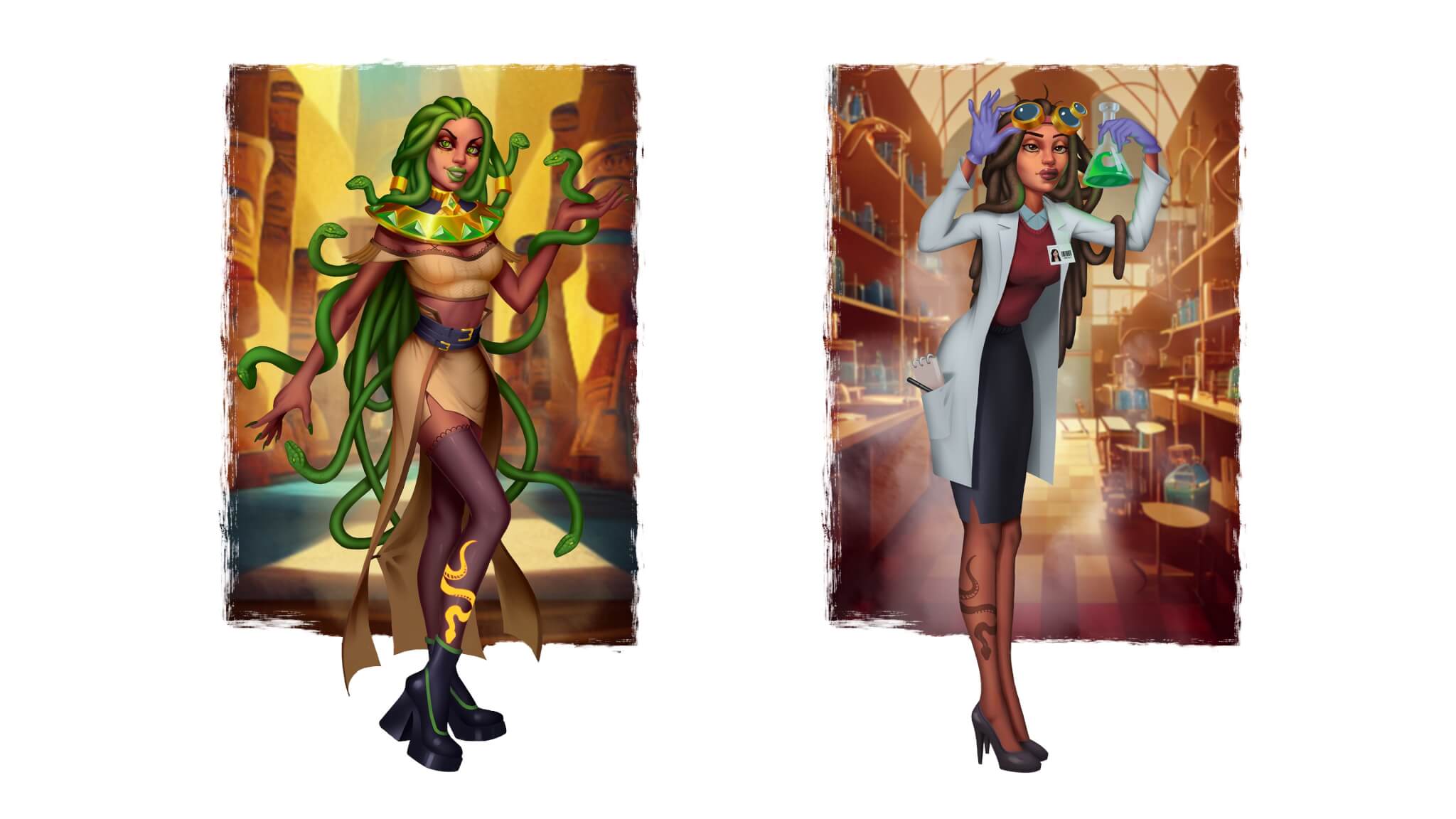
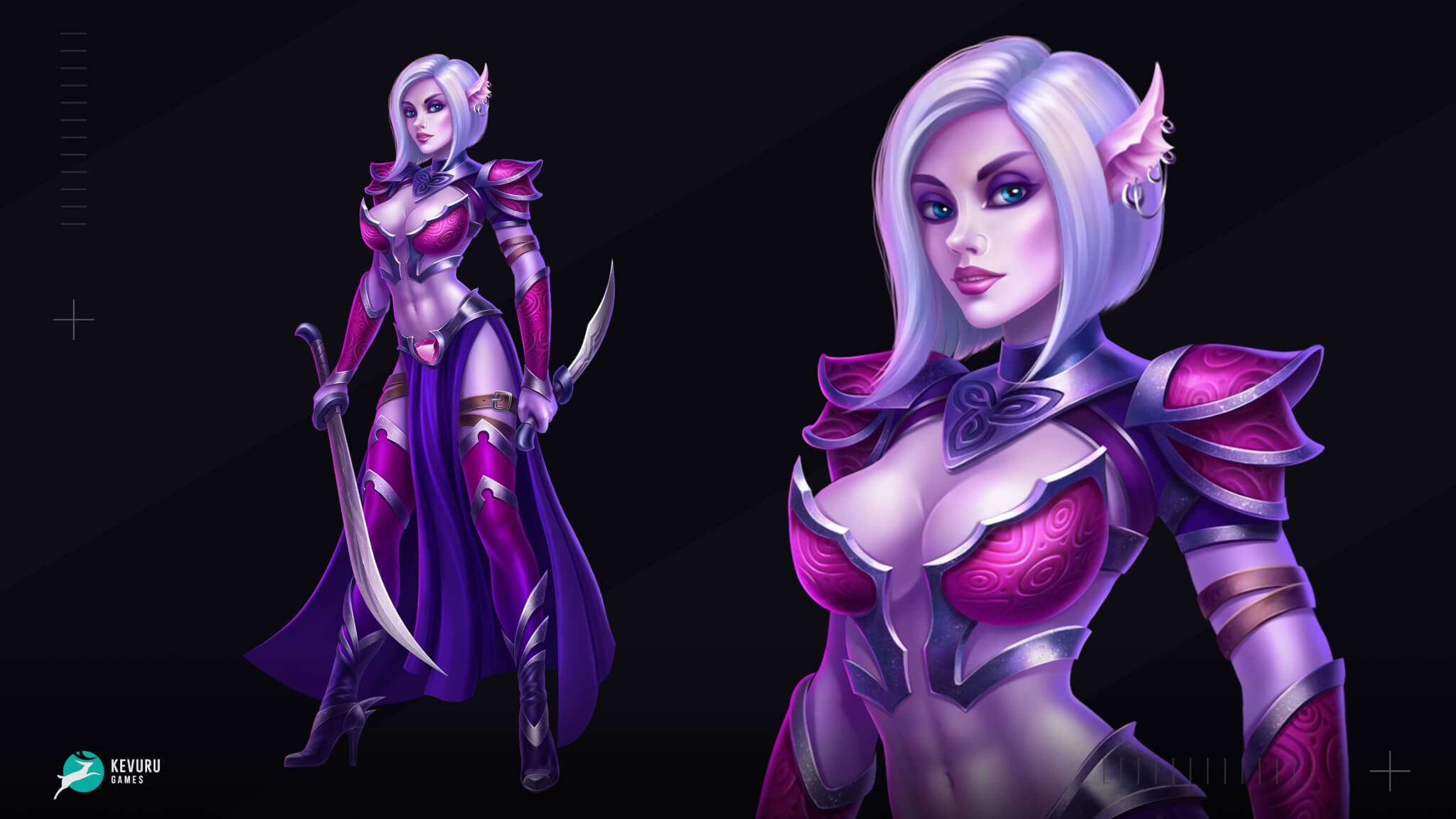
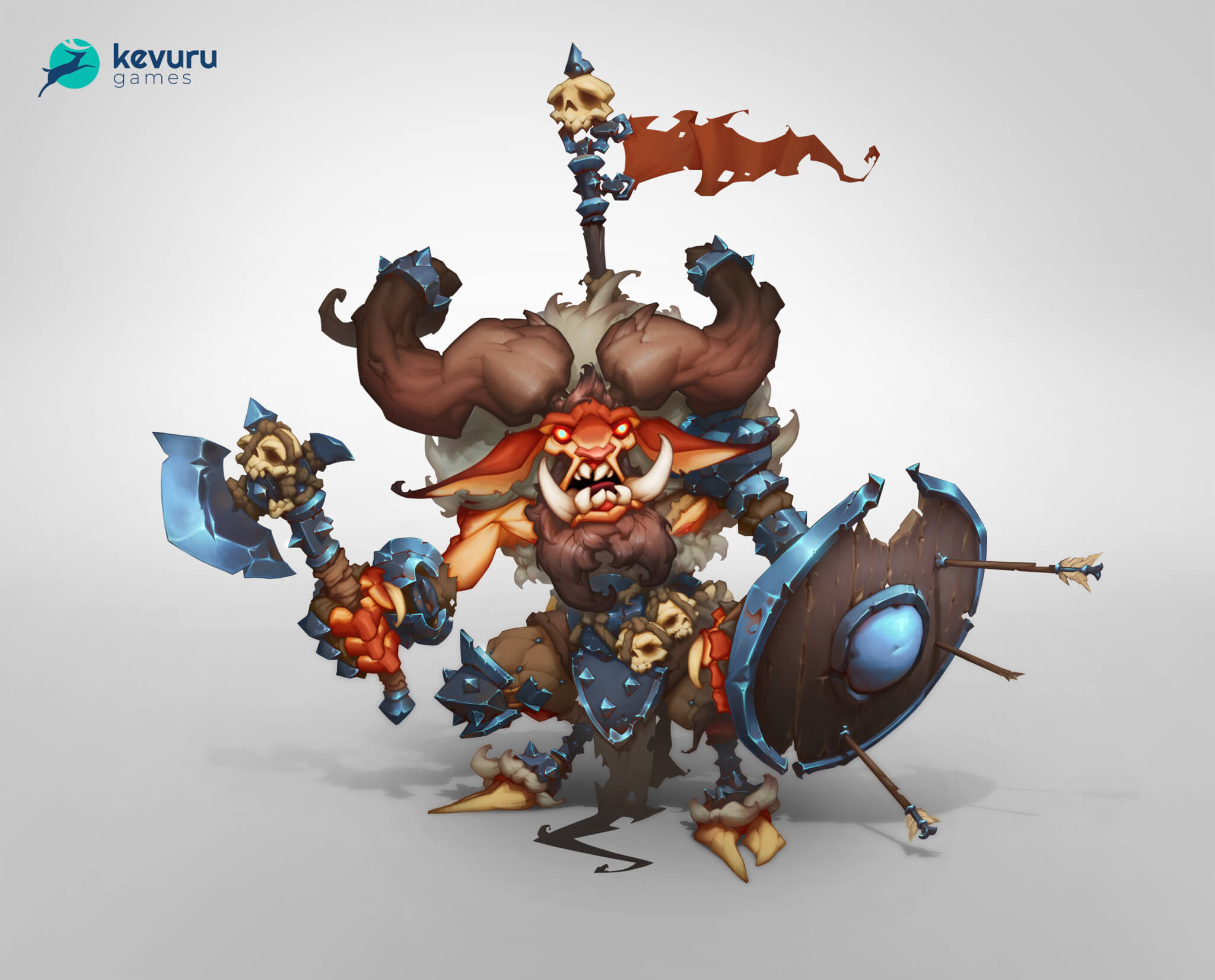
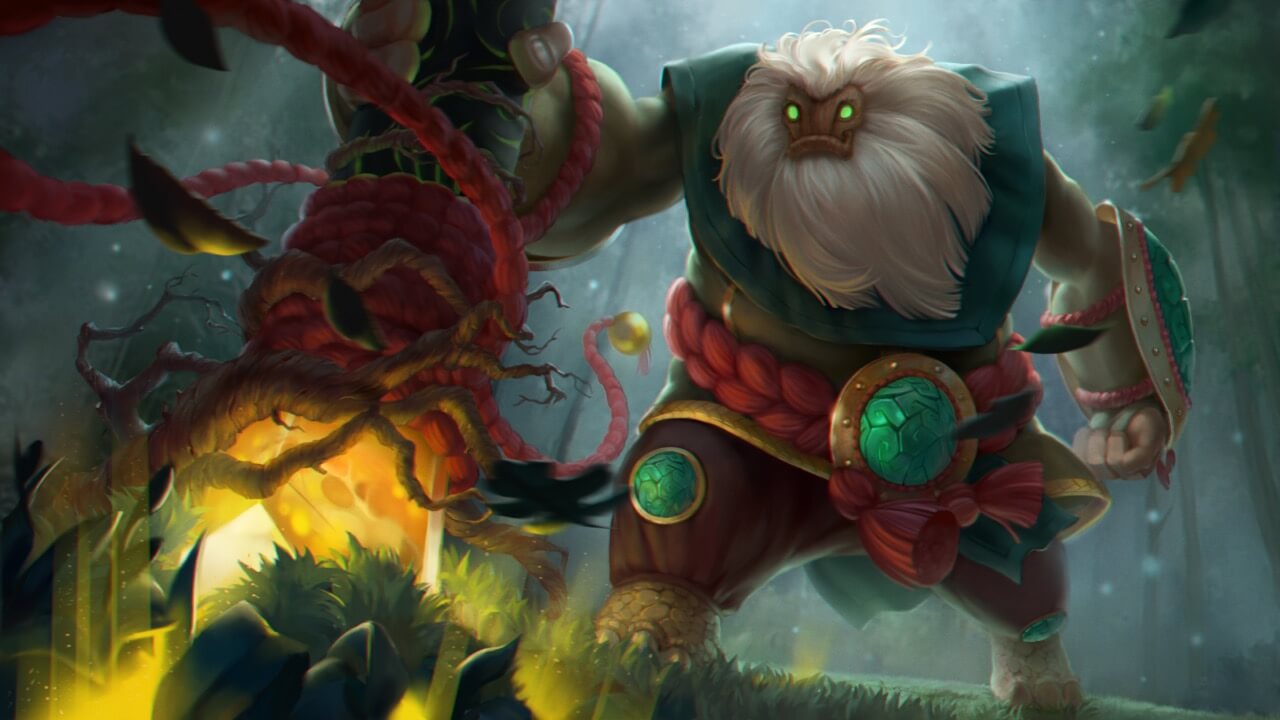
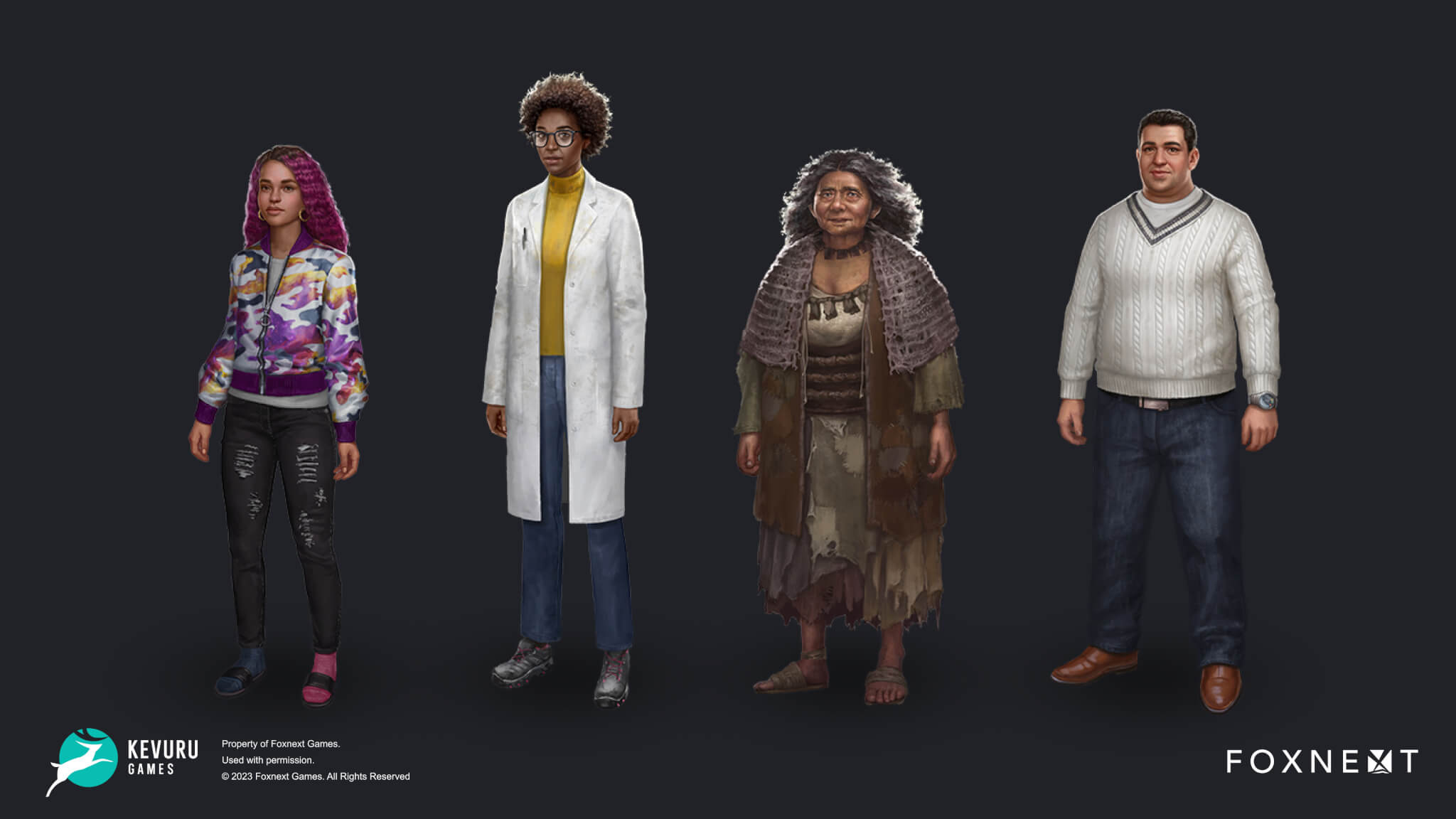

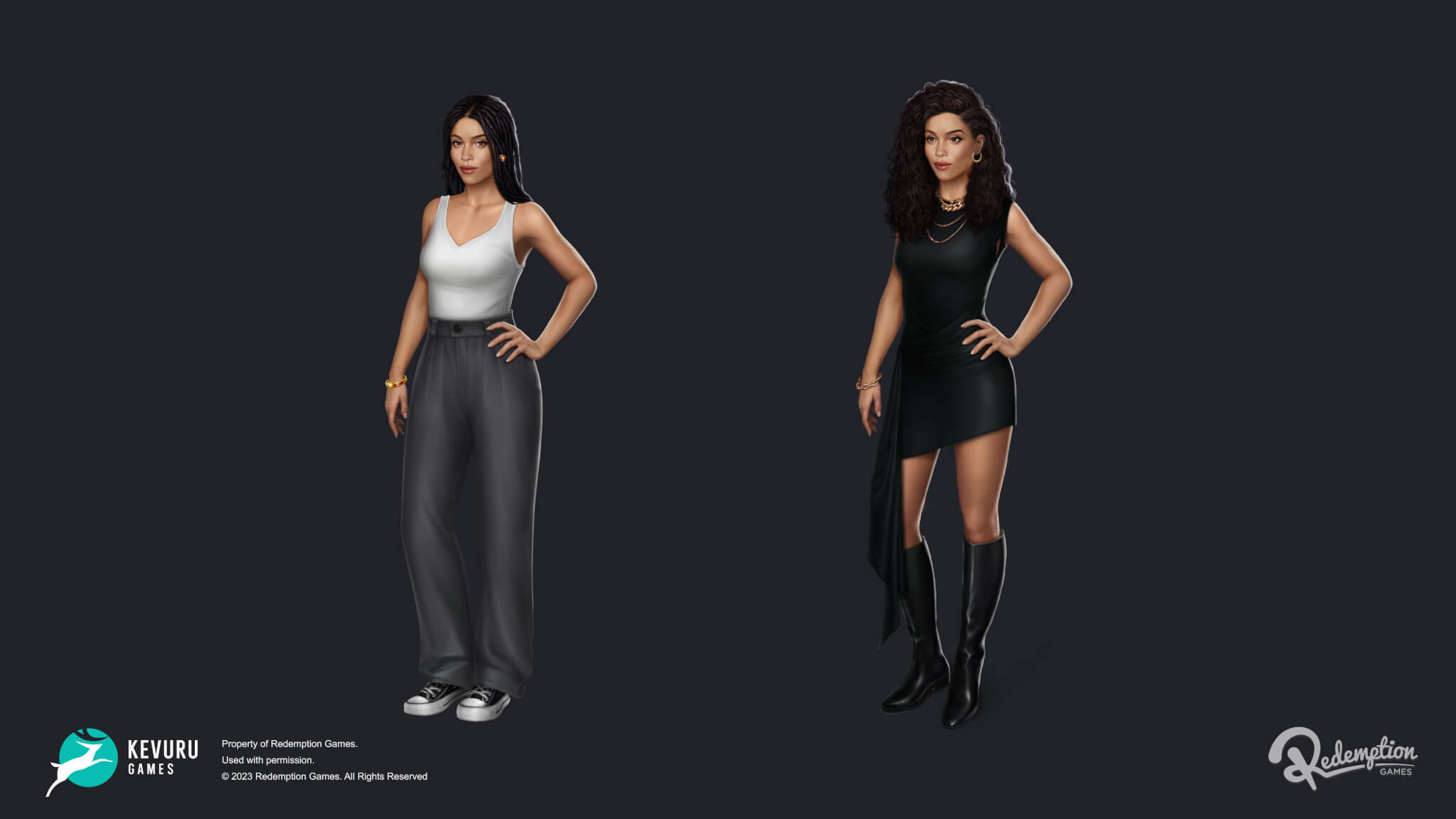

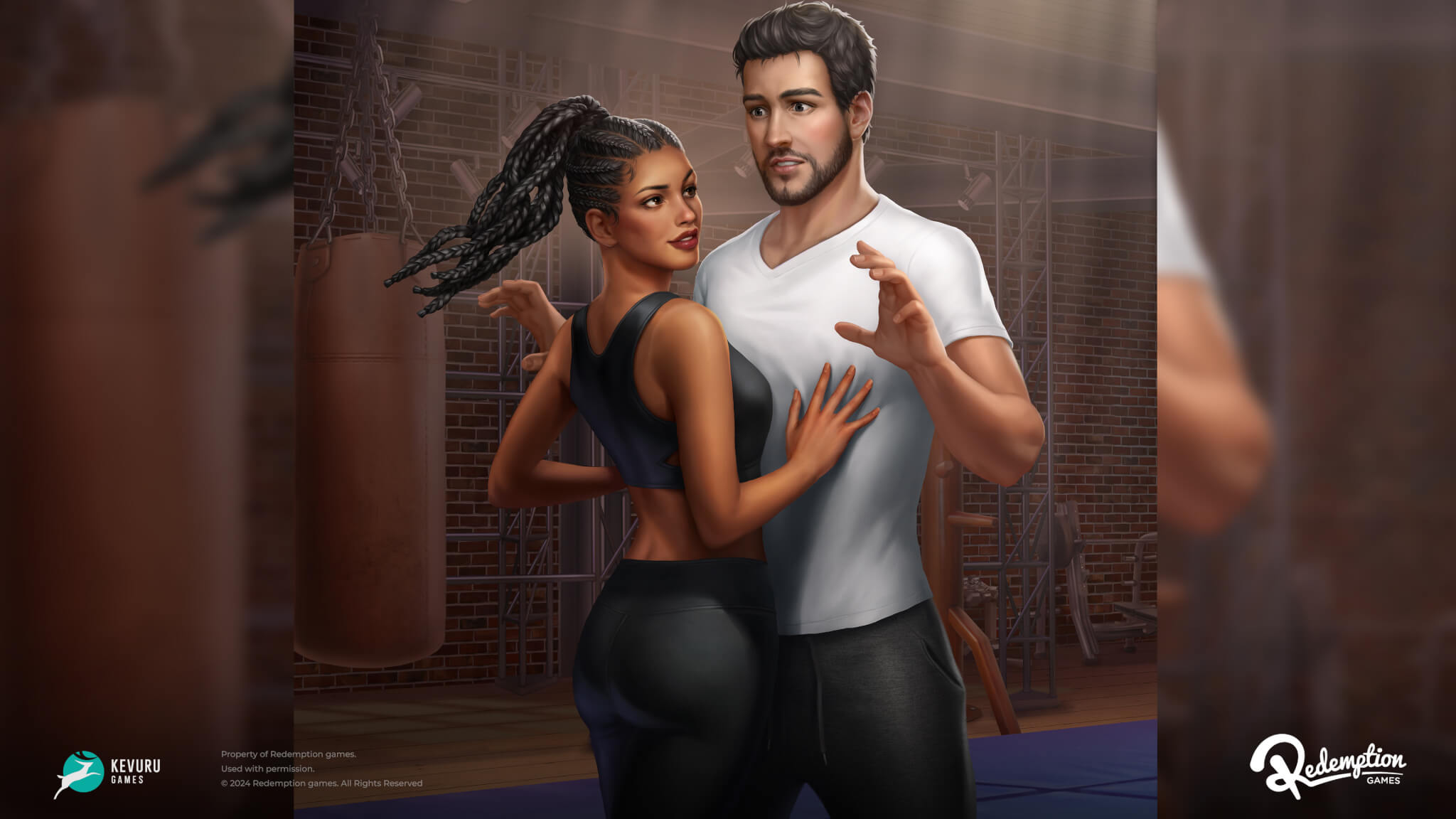
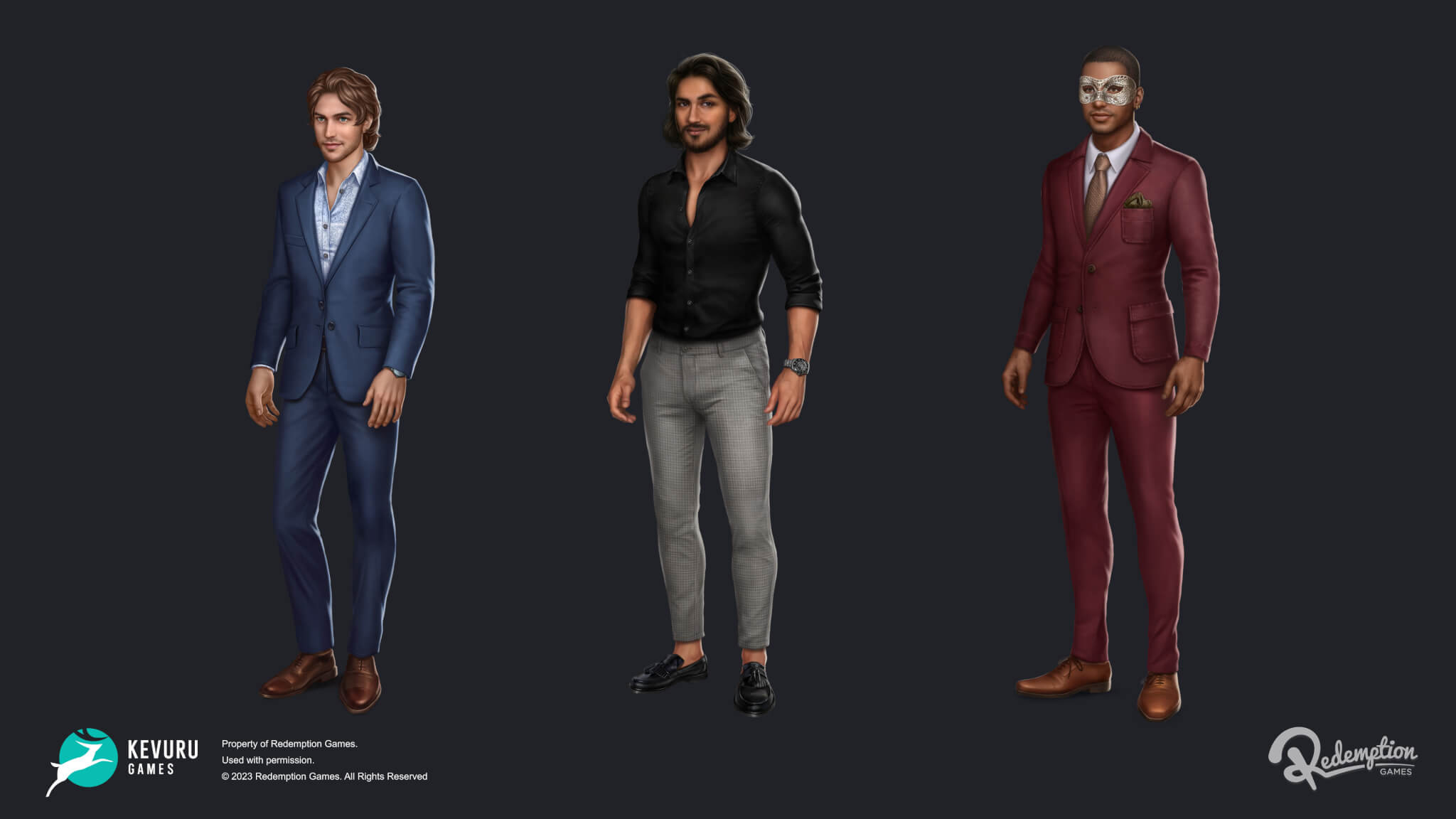
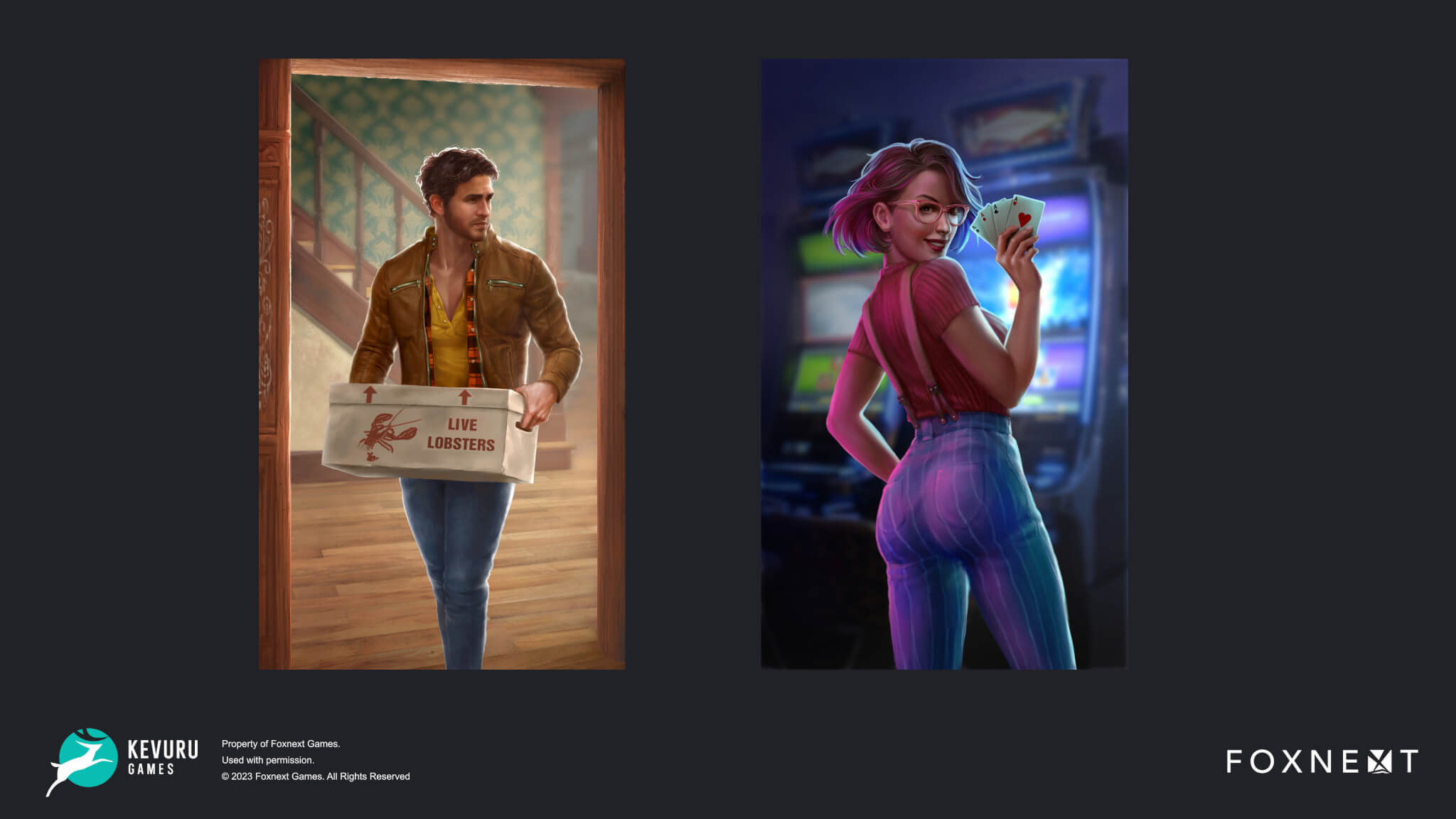
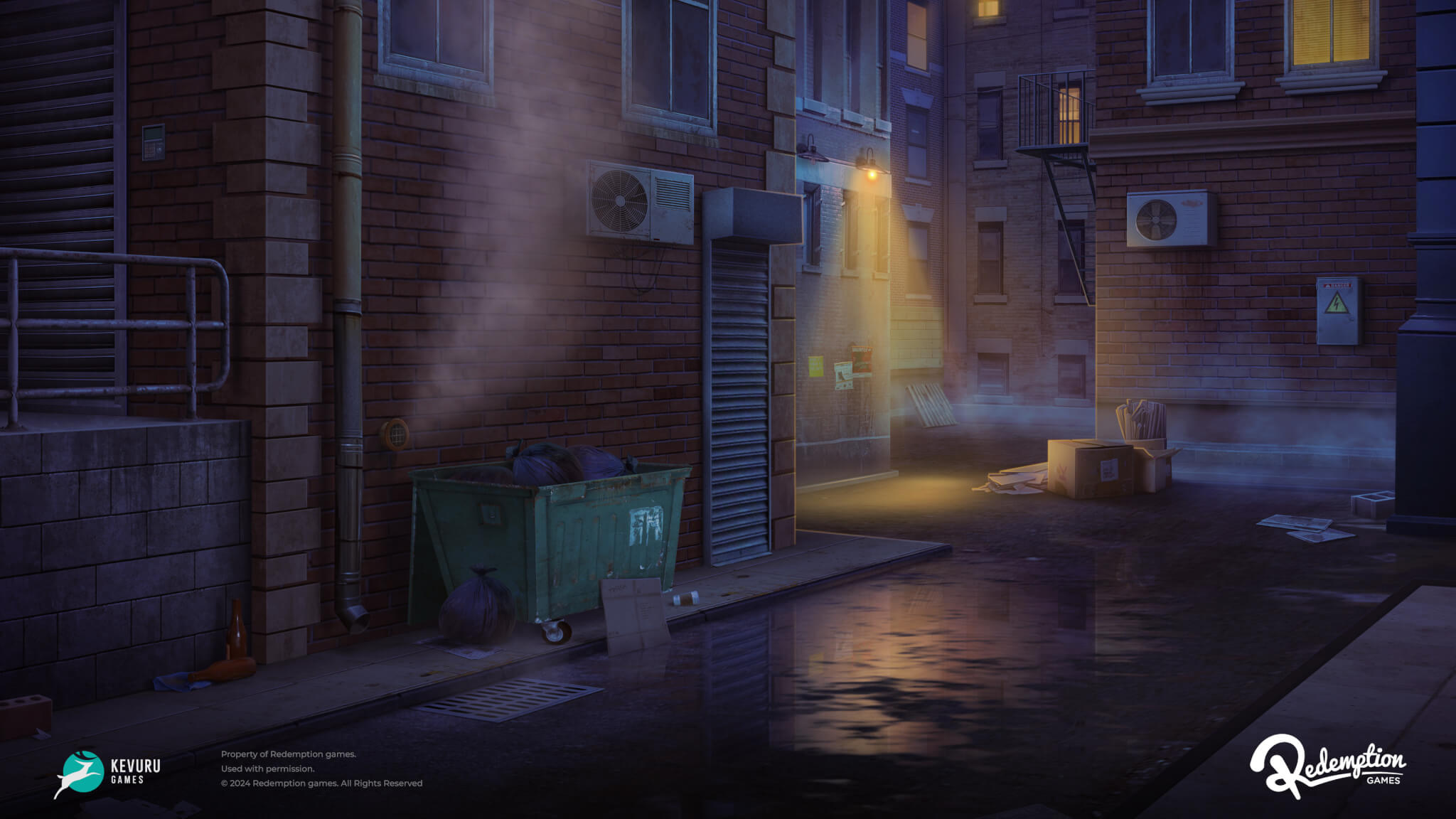
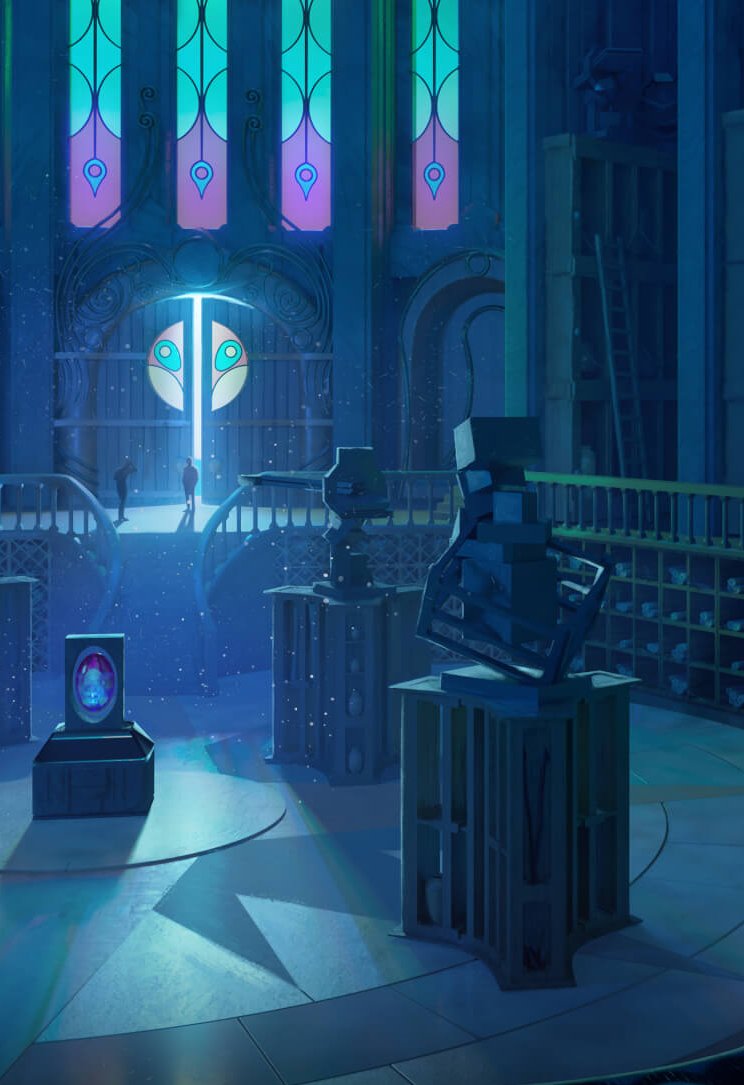




OUR FUNDAMENTAL BENEFITS IN 2D ART

HUGE BASE OF 2D ARTISTS

FAST SELECTION OF EXPERTS

DOUBLE QUALITY CONTROL

POST-HIRING SUPPORT
Our cooperation Models

Outstaffing
- We provide individual experts or entire units to extend your team
- You handle project management
- Cost-effective and scalable team extension
- Best suited for skill-specific needs

Dedicated team
- We provide a team tailored to your specific needs and requirements
- You directly manage the team as part of your workflow
- Skilled professionals seamlessly integrate to fill expertise gaps
- Best for large, evolving projects requiring ongoing development
- Best for large, evolving projects requiring ongoing development

Managed Outsourcing
- We take full responsibility for the project from start to finish
- You receive the deliverables
- High-quality results with minimal client involvement
- Perfect for projects where you want experienced professionals to handle everything
OUR PROCESS
Analysing customer requirements

Formation of selection criteria

Finding the required candidates
The first stage of the interview
The second stage of the interview
Candidate feedback and shortlisting
Approval of specialists and offer
Choosing and agreeing a start date
What Clients Say About Us


FAQ
WHAT IS 2D GAME ART?
2D game art is a visual art for creating a game, the essence of which is the two-dimensionality of the image on the screen. This means that it has only two dimensions, width and height. Usually gaming companies are looking for 2D artists for hire when they need to make a game in a simpler and more traditional visual format. For example, almost all games in the platformer genre are made using 2D art.
WHAT DOES A 2D ARTIST DO?
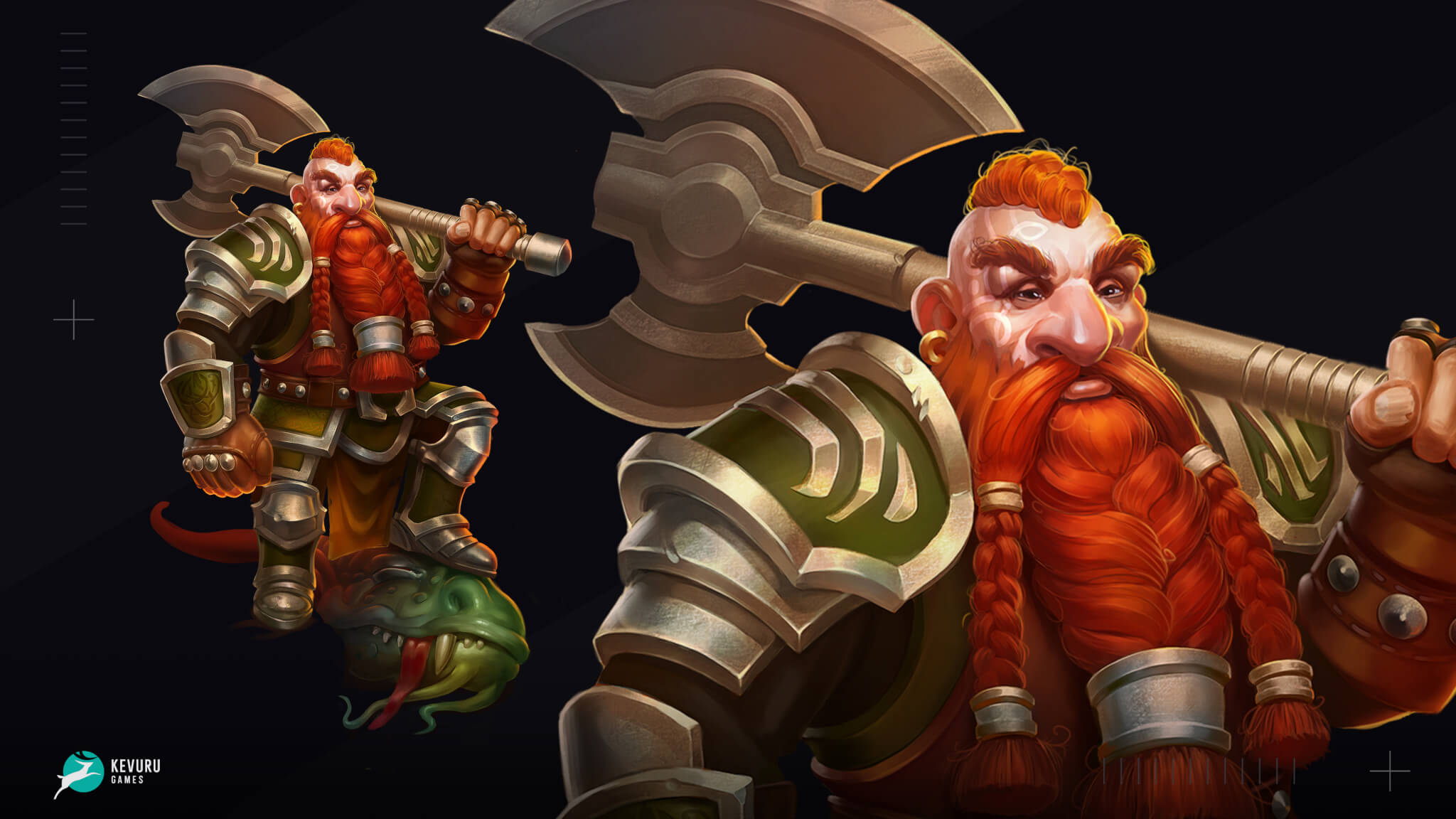
A 2D artist is a specialist who, using computer graphics, creates 2D art, which can include characters, surroundings, objects, vehicles, weapons, etc. In modern realities, a 2D artist does not need to have a specialized education. The most important thing is knowledge of software and a basic understanding of the basics of composition, light and shadow. It is also necessary for a 2D artist to be able to draw by hand, understand the anatomy of humans and animals, and love creative challenges.
HOW TO HIRE 2D ARTISTS WHICH FIT PERFECTLY TO YOUR NEEDS?
To hire a 2D artist who is ideal for your needs, you need to clearly articulate these needs. With a specific list of requirements, or at least a rough description of the game you are going to make, you can start selecting 2D artists for hire. It is important to understand that it is not very convenient to search for one person at a time, it is rather long and resource-intensive. The best option would be to hire a 2D game artist in an outsourcing company that will analyze your request and select the best specialists for your project.
HOW MUCH DOES IT COST TO HIRE 2D ARTISTS?
The principal differentiation in price for 2D art comes from asset type. Simple UI elements or icons may start around $50, props around $100, and illustrations around $300. Larger environment pieces usually begin closer to $800, with more detailed or complex scenes going several times higher depending on the amount of work involved. The visual style, production volume, and overall quality target usually have a big impact on pricing as well.
WHEN DOES IT MAKE SENSE TO HIRE A 2D ART OUTSOURCING TEAM?
Outsourcing usually starts making sense once the amount of art production becomes difficult to handle internally within the available time and team capacity.
Freelancers are often enough for smaller isolated tasks. Larger projects usually need a more organized workflow once the amount of assets starts growing. At a certain point, adding more artists internally stops being practical, especially if the workload spikes only during specific production phases. That’s usually where outsourcing starts becoming part of the pipeline instead of just occasional support.
WHAT KIND OF GAME ASSETS CAN 2D ARTISTS CREATE?
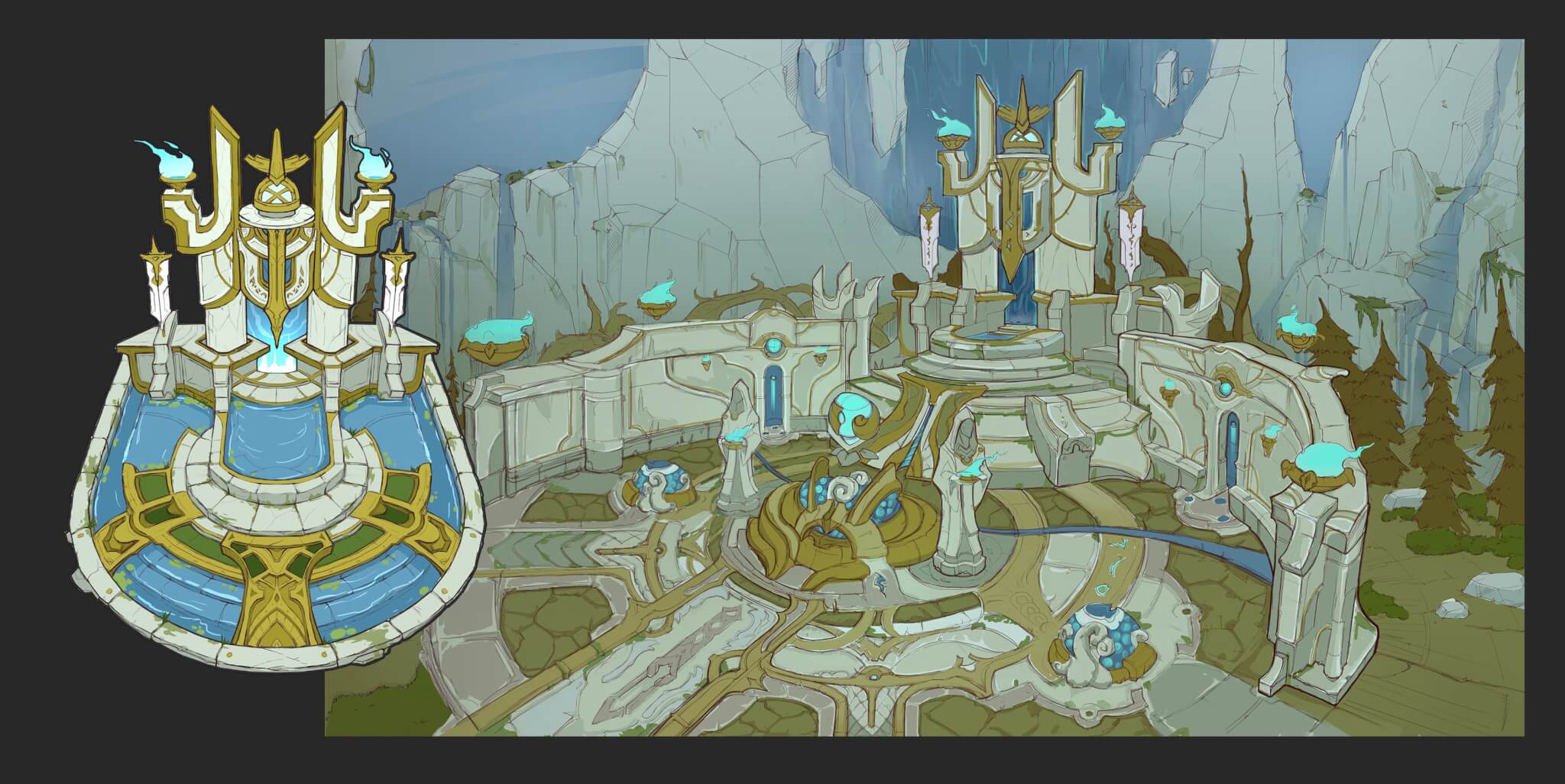
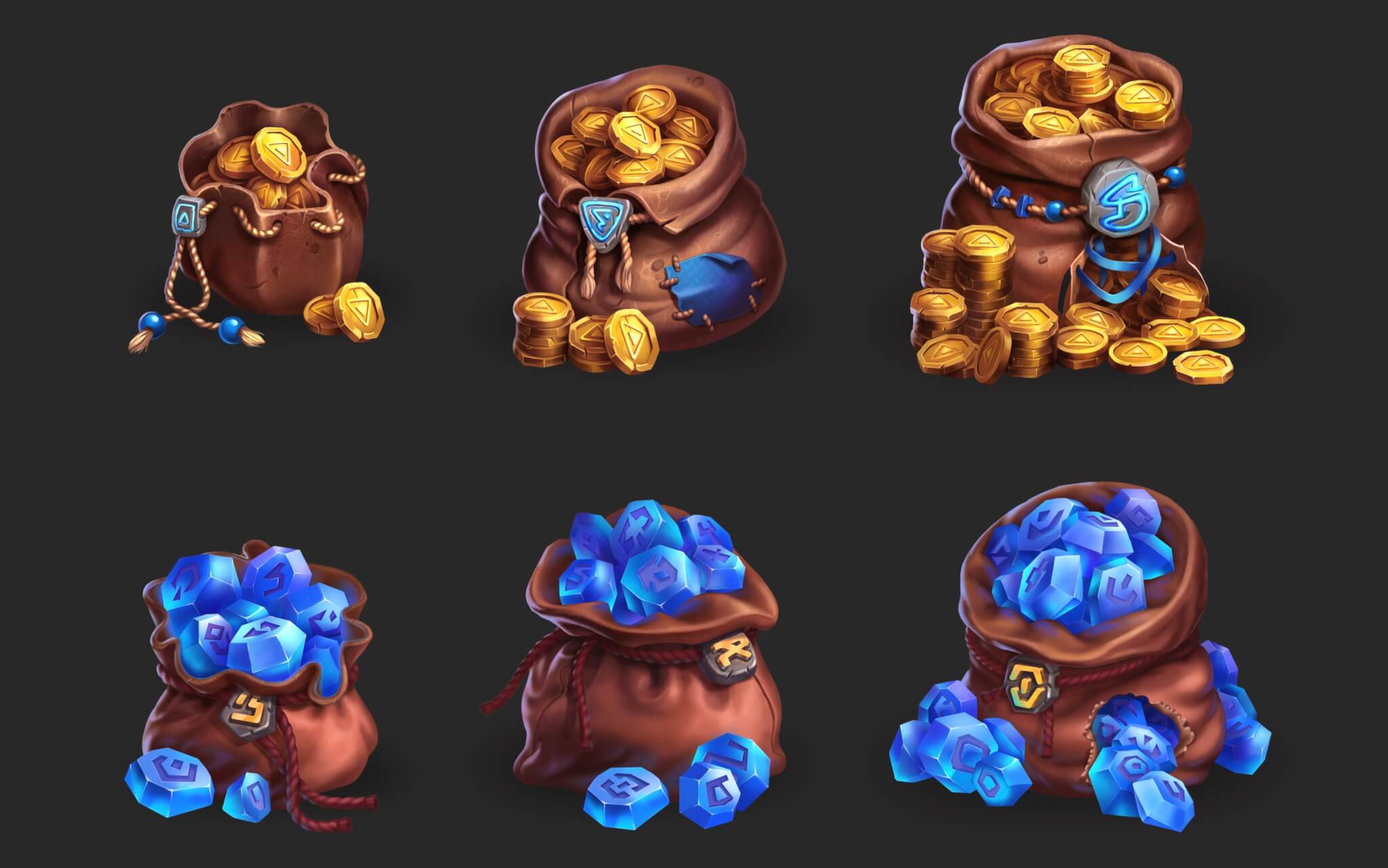
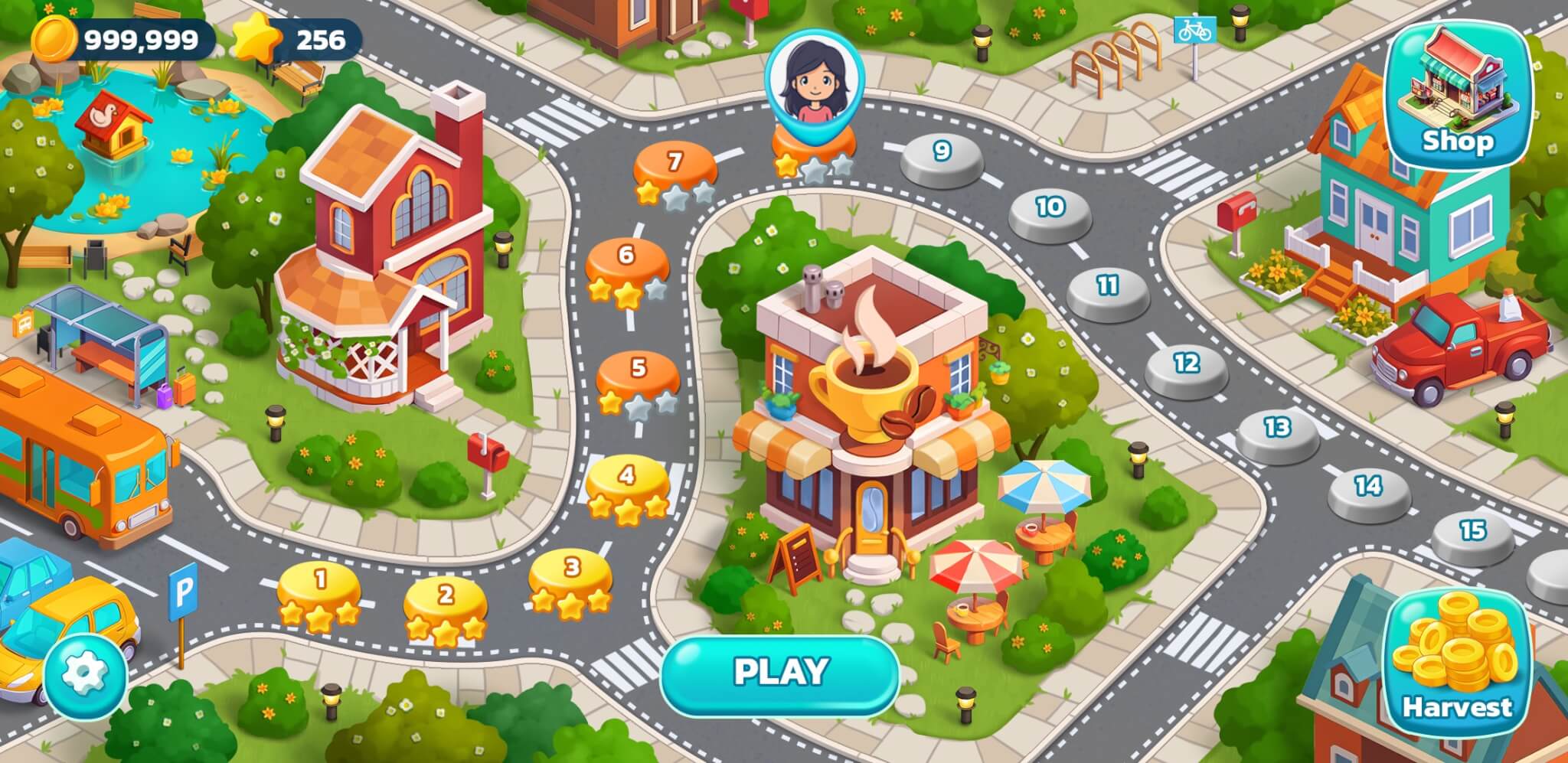
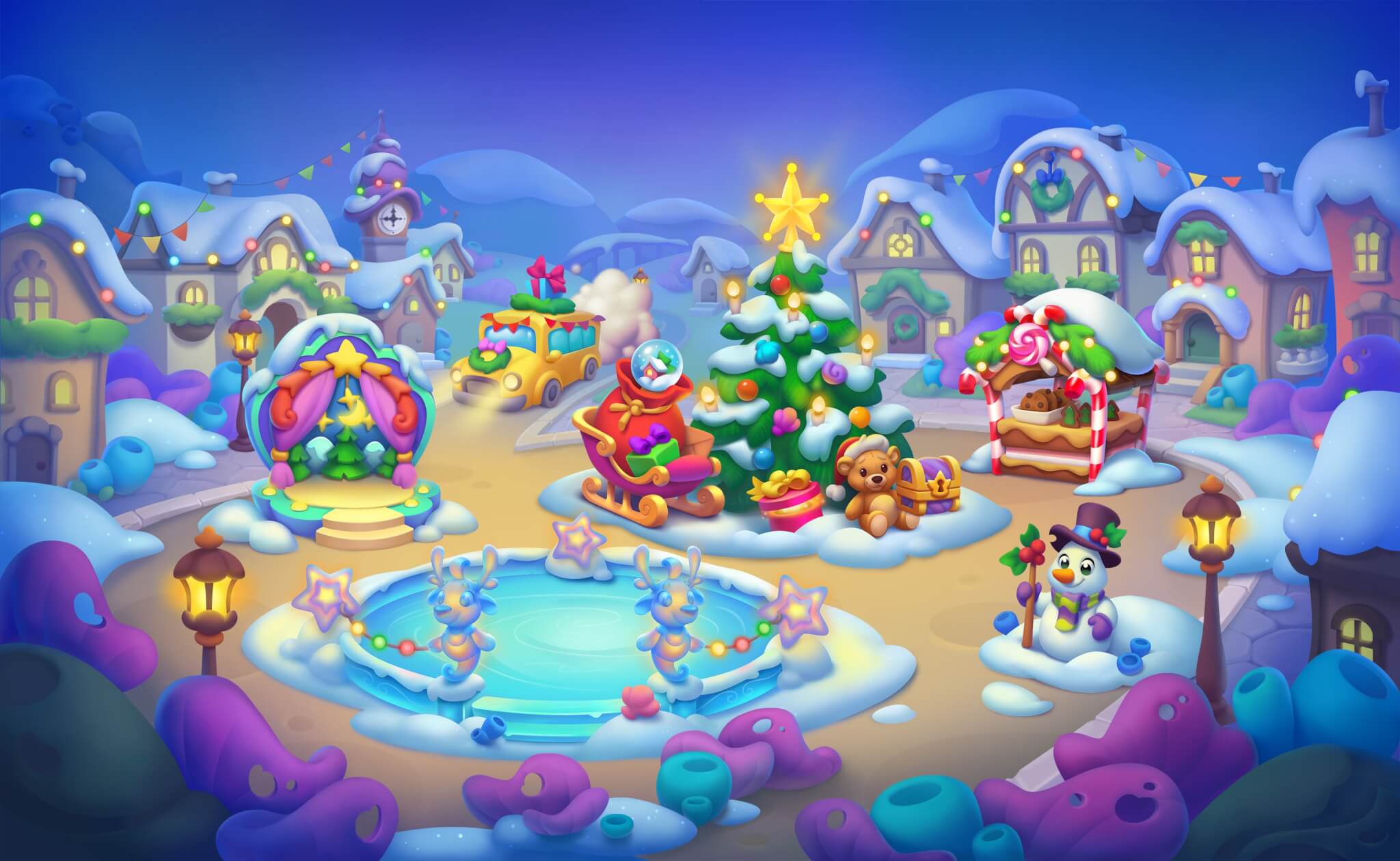
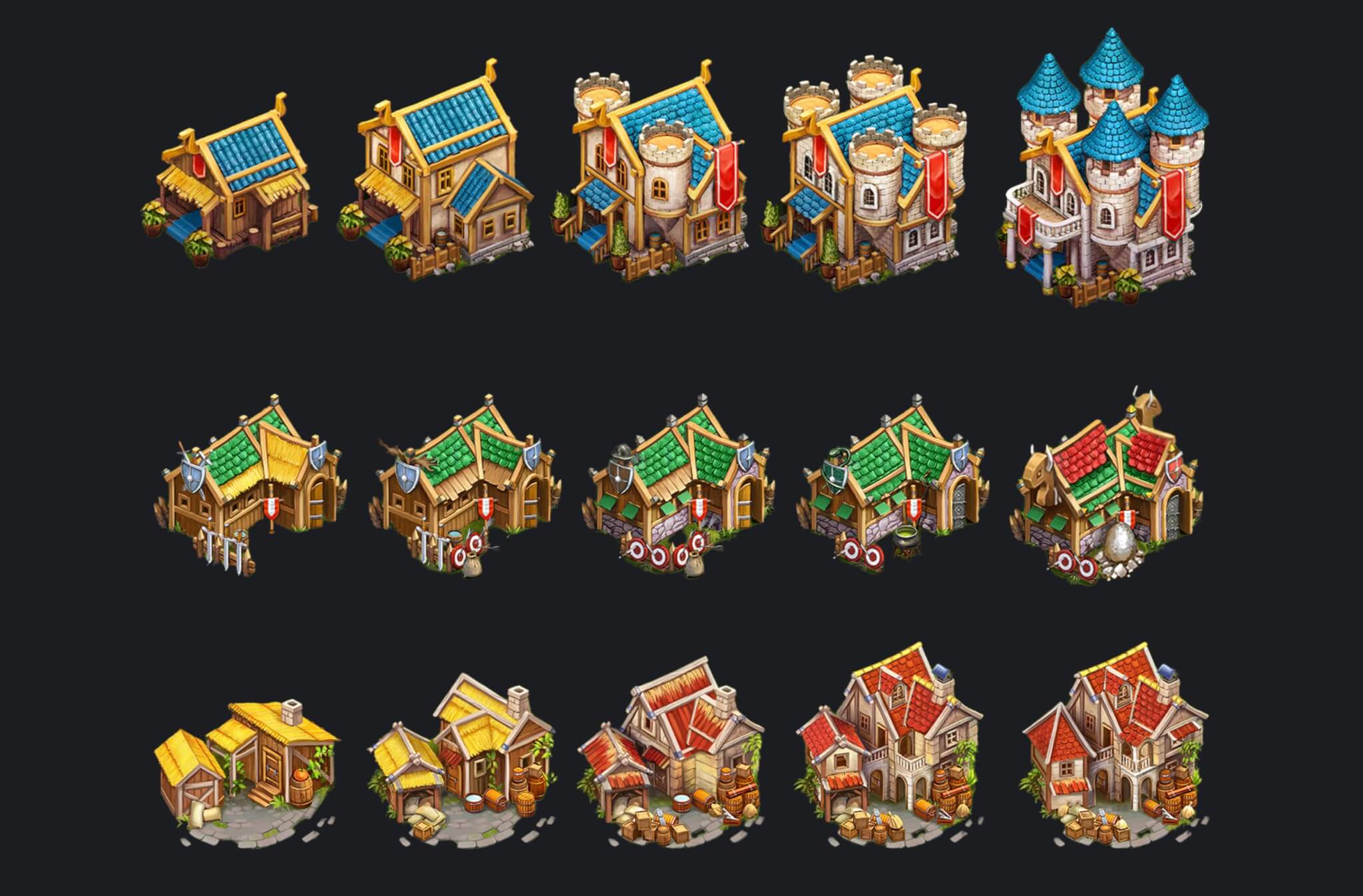
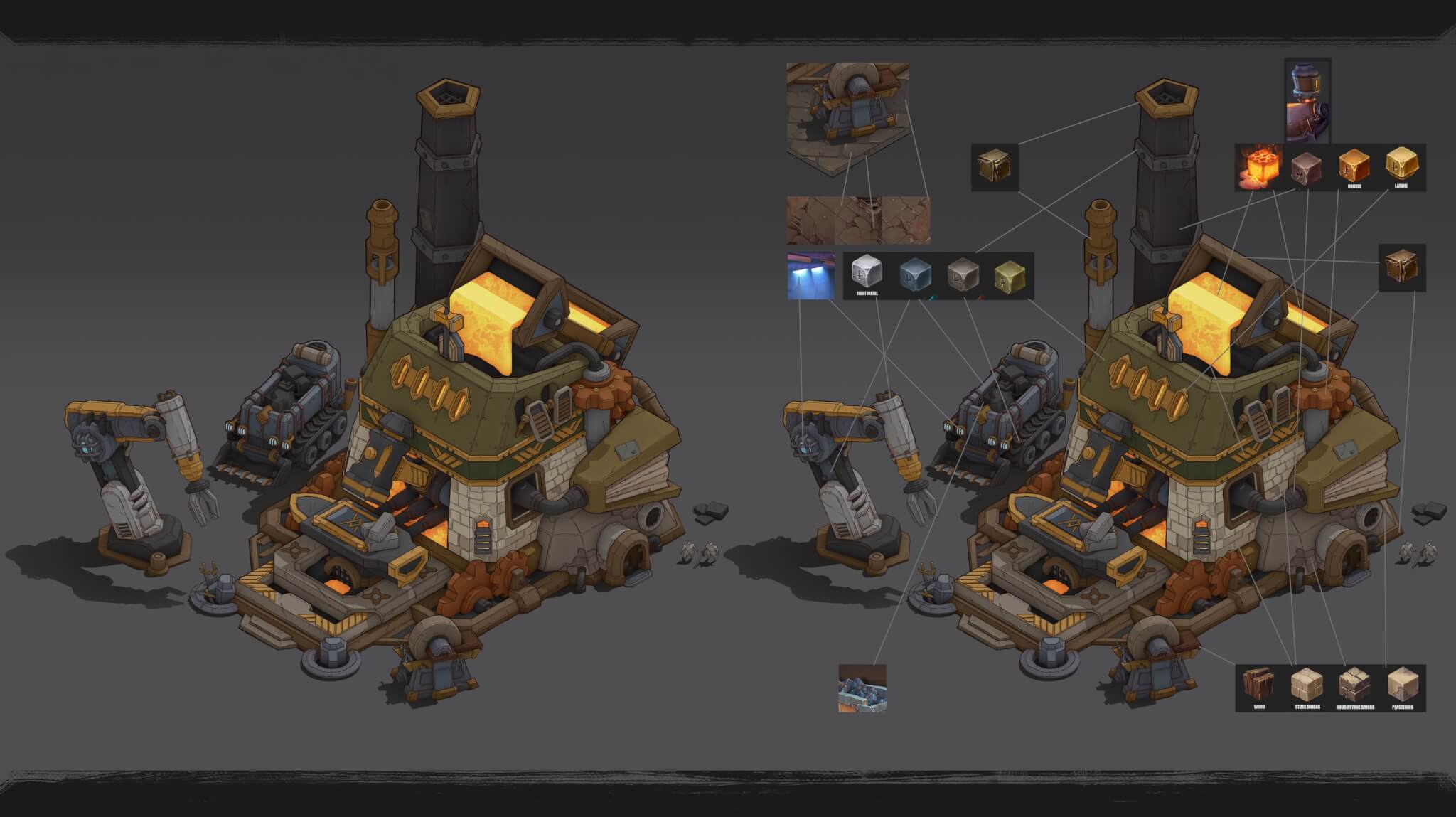
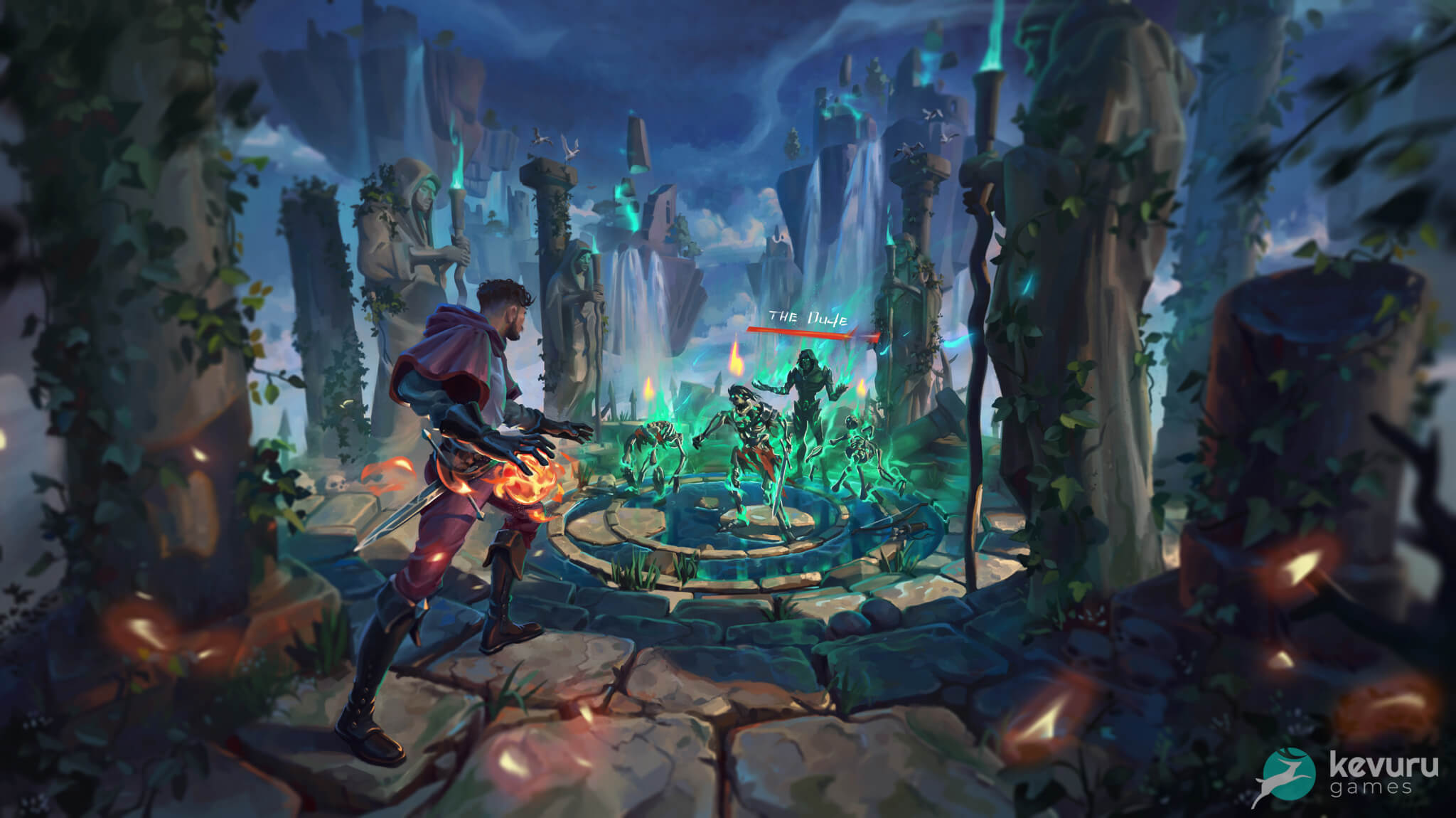
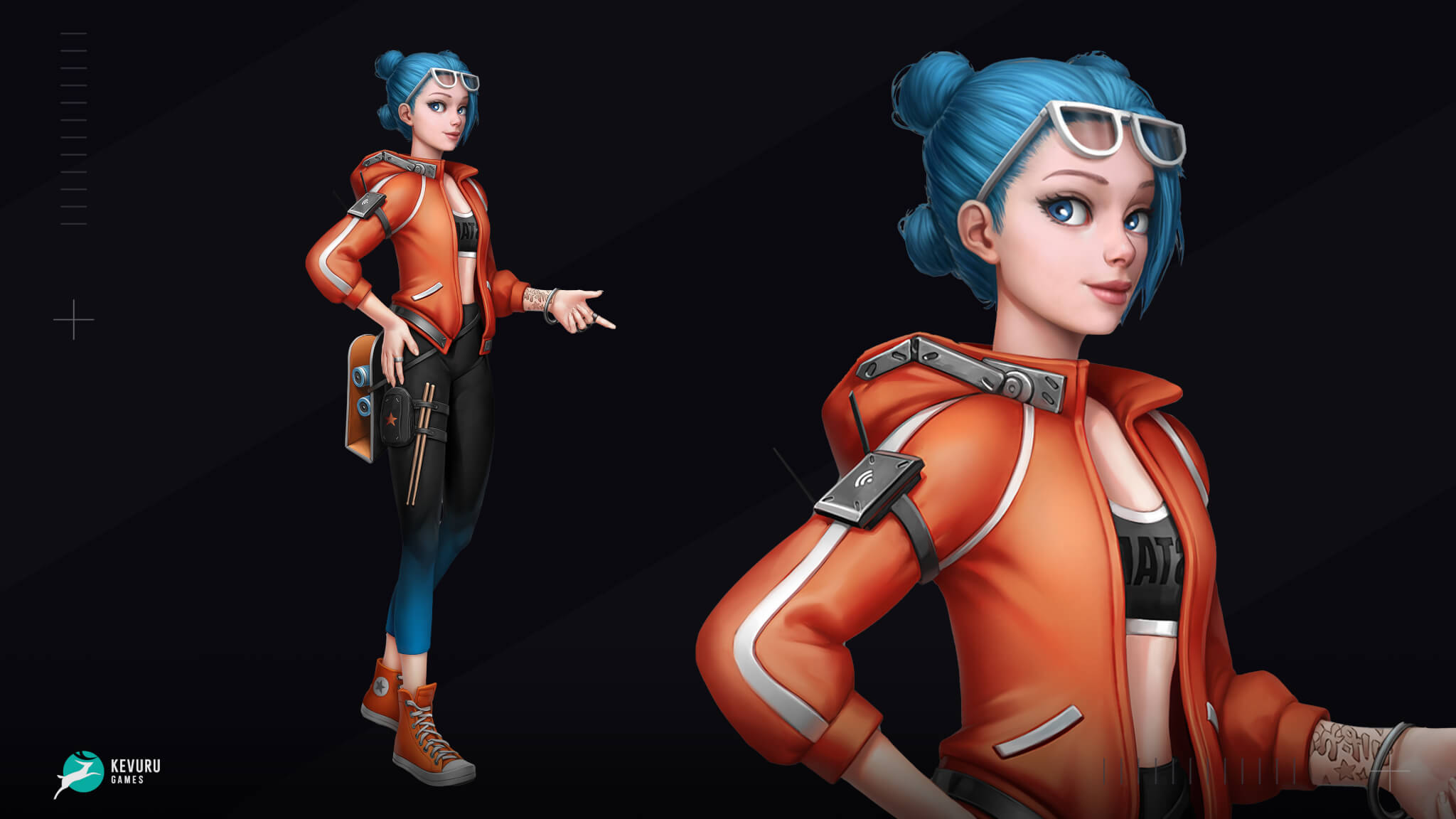
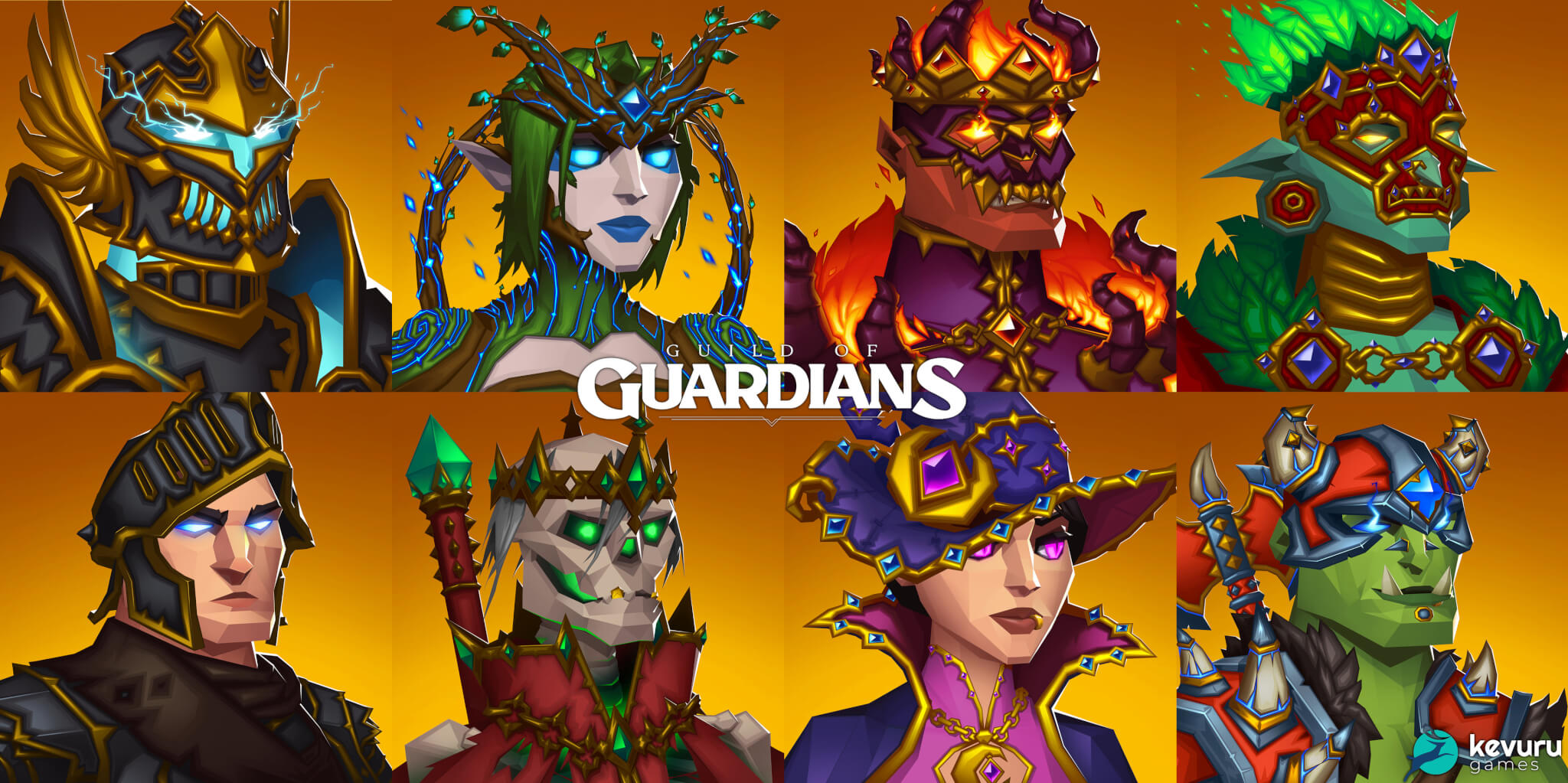
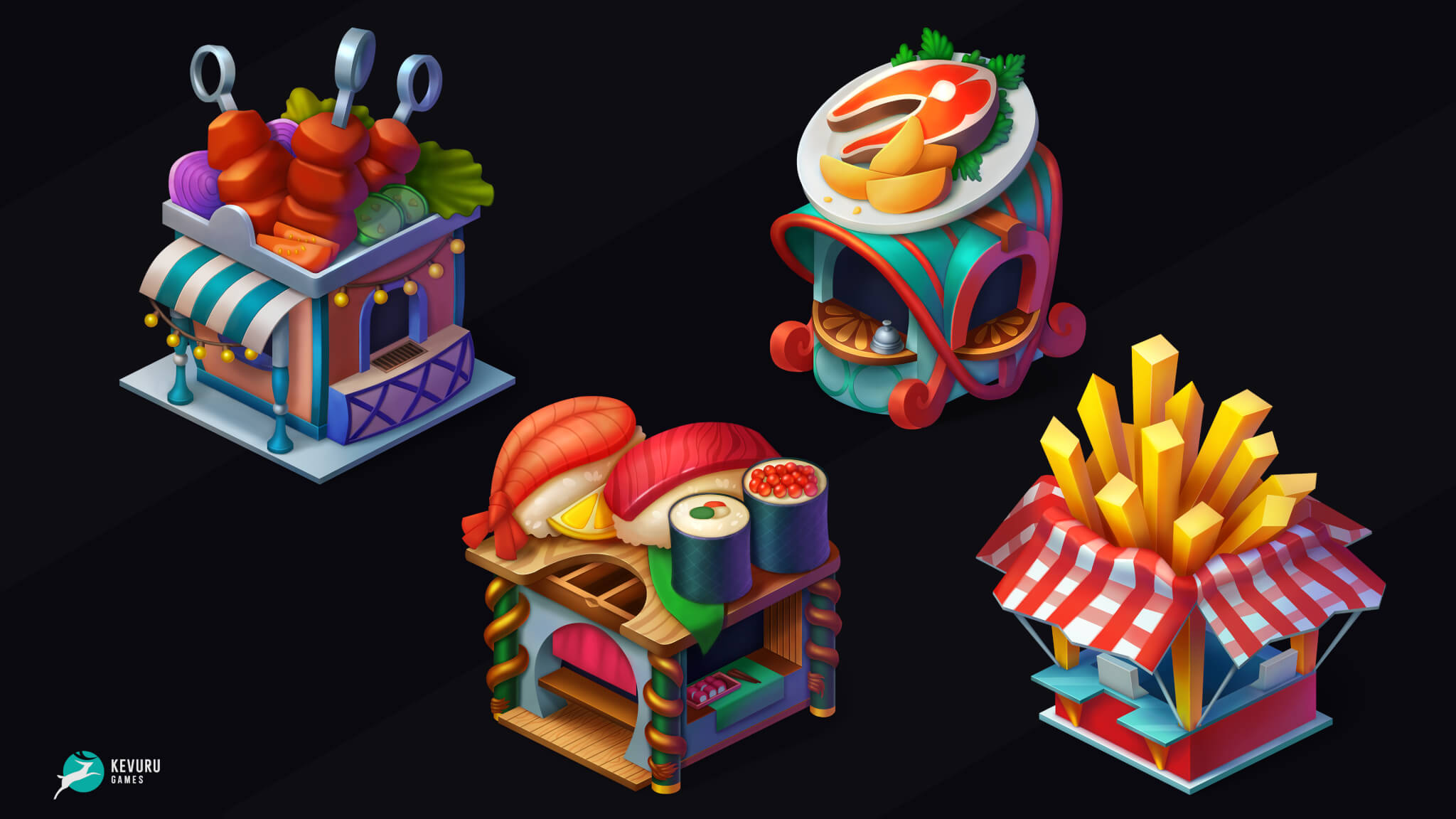
Anything from gameplay assets to promotional visuals. Some projects mainly need characters and UI, others lean heavily into environments, props, icons, or early concept sketches before production fully begins. That may include characters, environments, UI elements, icons, props, weapons, loading screens, promotional illustrations, or early visual exploration during pre-production.
The actual asset list usually changes from project to project. Some games are heavily character-driven, while others need much larger amounts of interface work, environments, or production support art across the pipeline.


